January 9, 2026

News

Following Microscopic Life Through the Glacier Melt Season –  New POLARIN Ambassador Blog Post!

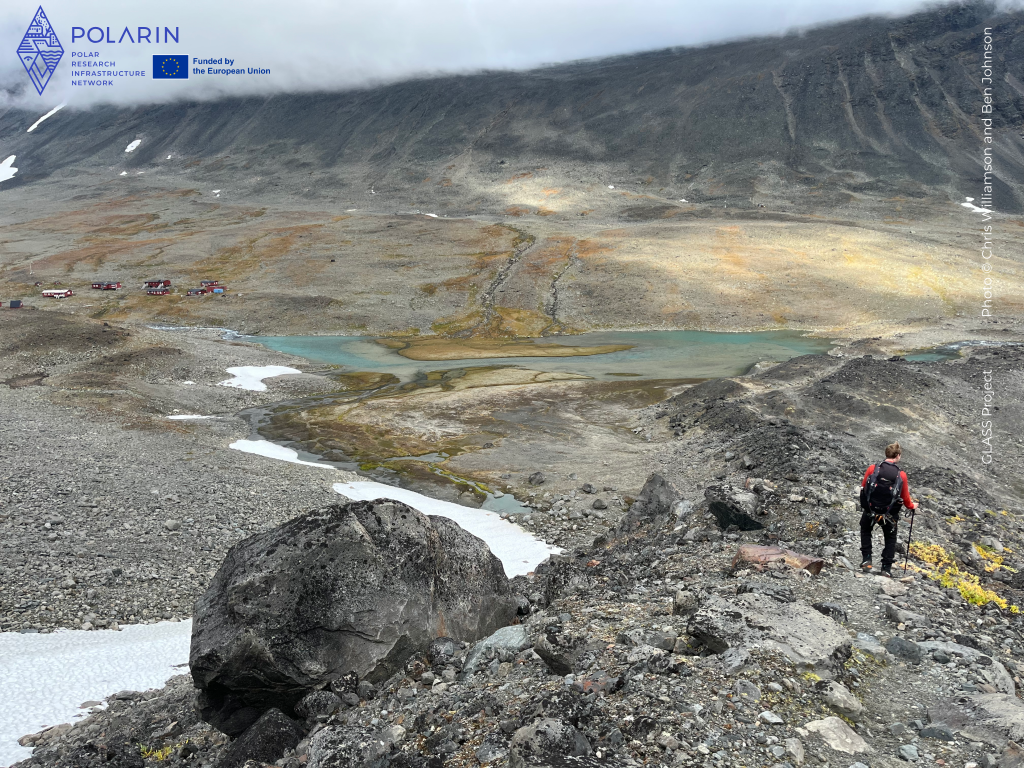
Following Microscopic Life Through the Glacier Melt Season In summer 2025, the GLASS (Glacier Algal Sampling Strategies) project from the University of Bristol headed to Tarfala Research Station in northern Sweden to study blooms of microscopic algae on Storglaciären through the melt season. A heatwave in July brought melting around the station and uncovered colourful algal patches in the snow, giving the team an early glimpse of life on the ice. By August, the bare glacier surface allowed detailed sampling and drone surveys that captured the peak of the bloom, and a final visit in September captured how these ecosystems had evolved by the end of the melt season. These field campaigns are helping scientists build the datasets needed to improve how satellites observe biological activity on glaciers in a warming world. Read more in the GLASS fieldwork blog by Ben Johnson, PhD student at Bristol University and POLARIN Ambassador for the GLASS project.  GLASS was funded by POLARIN’s first call for Transnational Access to Research Infrastructures.

Ambassador

Following Microscopic Life Through the Glacier Melt Season

Following Microscopic Life Through the Glacier Melt Season by Ben Johnson PhD student at Bristol University and POLARIN Ambassador for the “GLASS” project.   In summer 2025, scientists from the University of Bristol travelled to northern Sweden to study life on glacier surfaces as part of the GLASS (Glacier Algal Sampling Strategies) project, funded by POLARIN’s first call for Transnational Access to Research Infrastructures.   Working from Tarfala Research Station, the team followed microscopic glacier algae on Storglaciären through the melt season. In July, a short Scandinavian heatwave briefly accelerated snowmelt around the research station, revealing colourful algal blooms in nearby snowpacks. By August, much of the glacier surface was exposed, allowing detailed sampling and drone surveys to capture the bloom at its peak. The final visit in September documented how these algal communities changed as the melt season came to an end. Together, the work helps improve understanding of how blooms are structured across ice surfaces and how they should sampled for more representative upscaling to satellite imagery, needed to monitor biological activity across the cryosphere in a warming climate.   Read more in the GLASS fieldwork blog by Ben Johnson, PhD student at Bristol University and POLARIN Ambassador for the GLASS project.   GLASS  was one of the projects successfully selected through POLARIN’s first call. Download
News

Ponds of Utqiaġvik: Exploring Hidden Life in Arctic Alaska-  New POLARIN Ambassador Blog Post!

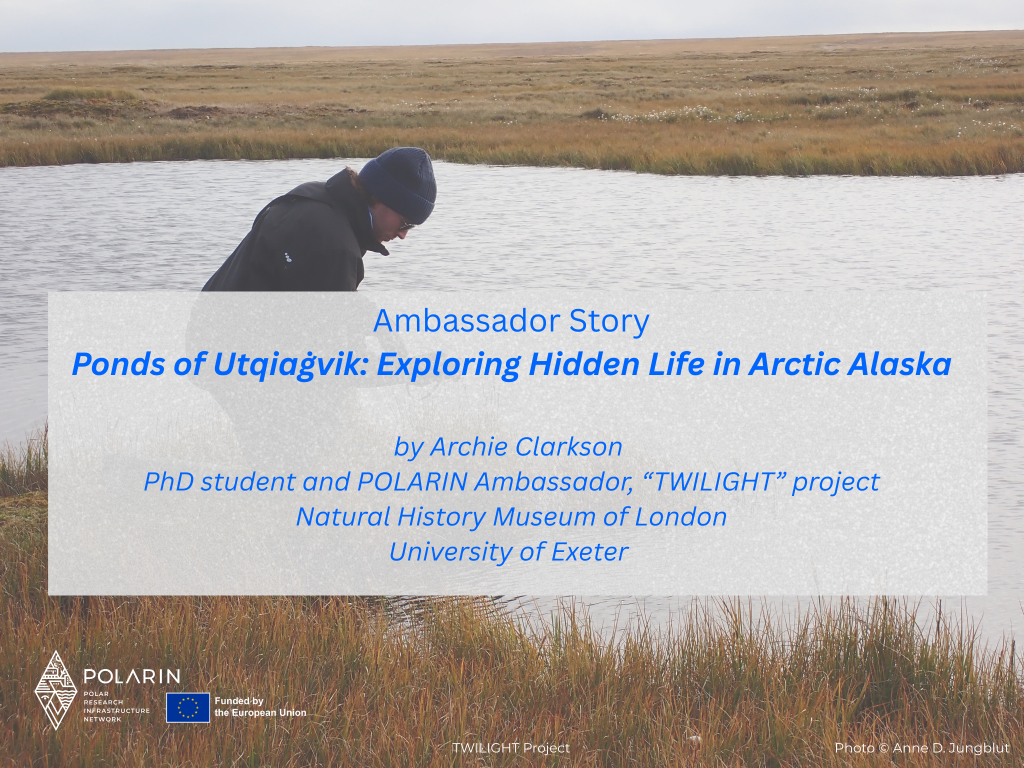
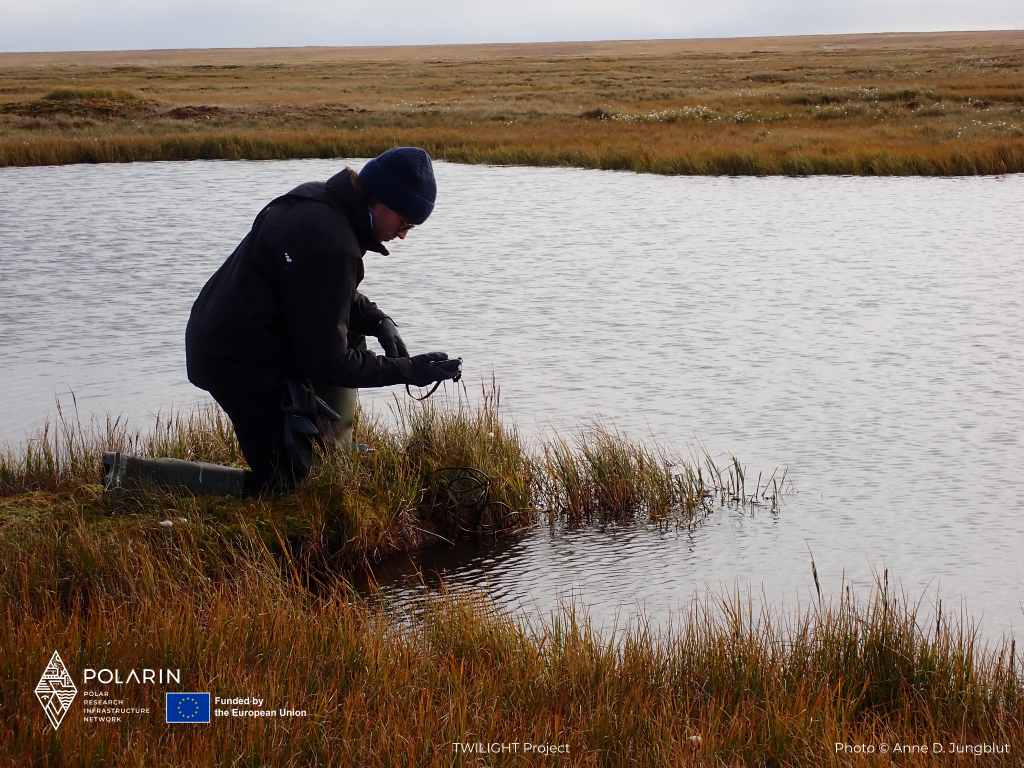
Ponds of Utqiaġvik: Exploring Hidden Life in Arctic Alaska-  New POLARIN Ambassador Blog Post! “Utqiaġvik is a wonderfully peaceful place to conduct fieldwork, and I hope that one day I might have the opportunity to return to experience it all over again.”   Dive into the story of Archie Clarkson, a PhD student at the University of Exeter and a POLARIN Ambassador for the TWILIGHT Project, as he shares how POLARIN supported his research in Utqiaġvik, Alaska. His mission: to explore the tiny yet vital organisms living in Arctic ponds: protists.   With POLARIN’s support, Archie spent a week at the Barrow Arctic Research Center, where he collected water samples, measured pond conditions, and uncovered the surprising diversity of microscopic protists that keeps Arctic ecosystems functioning.   Read the full blog post here: Ponds of Utqiaġvik: Exploring Hidden Life in Arctic Alaska – POLARIN The TWILIGHT project was one of the first to be selected through POLARIN’s initial call.    

Ambassador

Ponds of Utqiaġvik: Exploring Hidden Life in Arctic Alaska

Ponds of Utqiaġvik: Exploring Hidden Life in Arctic Alaska By Archie Clarkson PhD student at Exeter University and National History Museum of London, POLARIN Ambassador for the “TWILIGHT” project.   “Utqiaġvik is a wonderfully peaceful place to conduct fieldwork, and I hope that one day I might have the opportunity to return to experience it all over again.”   Archie Clarkson travelled to Utqiaġvik, Alaska to explore the tiny but important life hidden in the Arctic’s thaw ponds. Using the research station from the POLARIN network Barrow Arctic Research Center and the support from the POLARIN and BARC,  he spent a week collecting water samples, measuring pond conditions, and discovering the surprising diversity of protists: microscopic organisms that keep Arctic ecosystems running. The research stay offered not only exciting science, but also moments of connection with the Iñupiat community and the coastal tundra landscape. Archie returned home with samples now being studied through DNA sequencing and microscopy at the National History Museum of London, helping reveal how these resilient microbes survive long, dark winters and how a warming climate may reshape their world.   Discover the full journey by reading Archie’s Ambassador story. The TWILIGHT was one of the projects successfully selected through POLARIN’s first call. Download
Scroll to Top