|
|
Inside POLARIN #6
|
|
|
We hope you're having a great week!
We're excited to share with you some project information and updates.
|
|
|
Celebrating One Year of POLARIN Newsletter
|
On July 22nd, 2024, we launched the first edition of the POLARIN newsletter. Today we're proud to share our 6th edition with you. Since then, around 350 polar research enthusiasts have joined our growing community. Thank you for being a part of POLARIN community. We appreciate your support and look forward to your continued engagement.
|
|

|
|
|
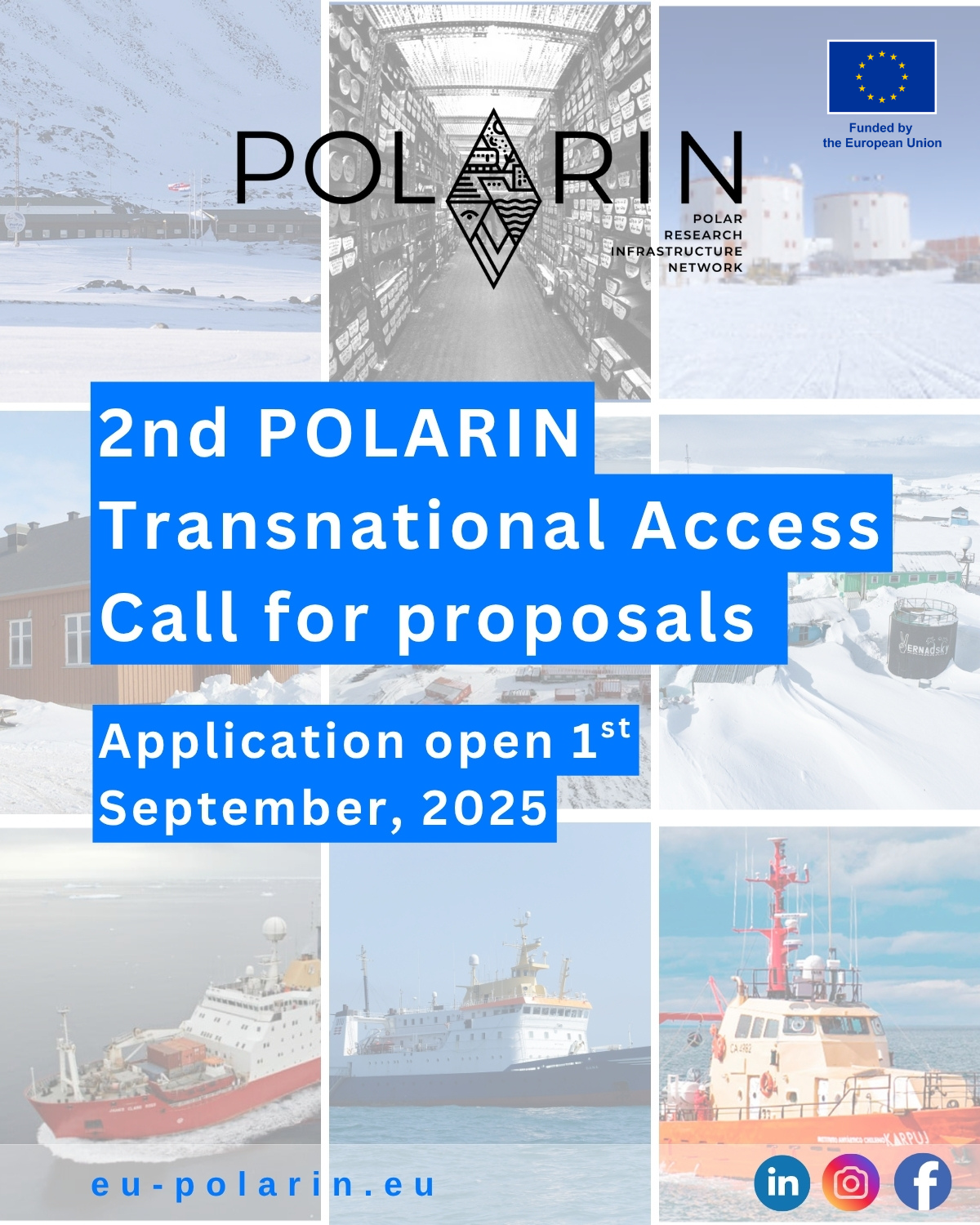
2nd POLARIN Transnational Access Call
|
The 2nd POLARIN Transnational Access Call will open on 1st of September, 2025. Keep following our website and social media channels for more information and updates.
|
|
|
|
|
|
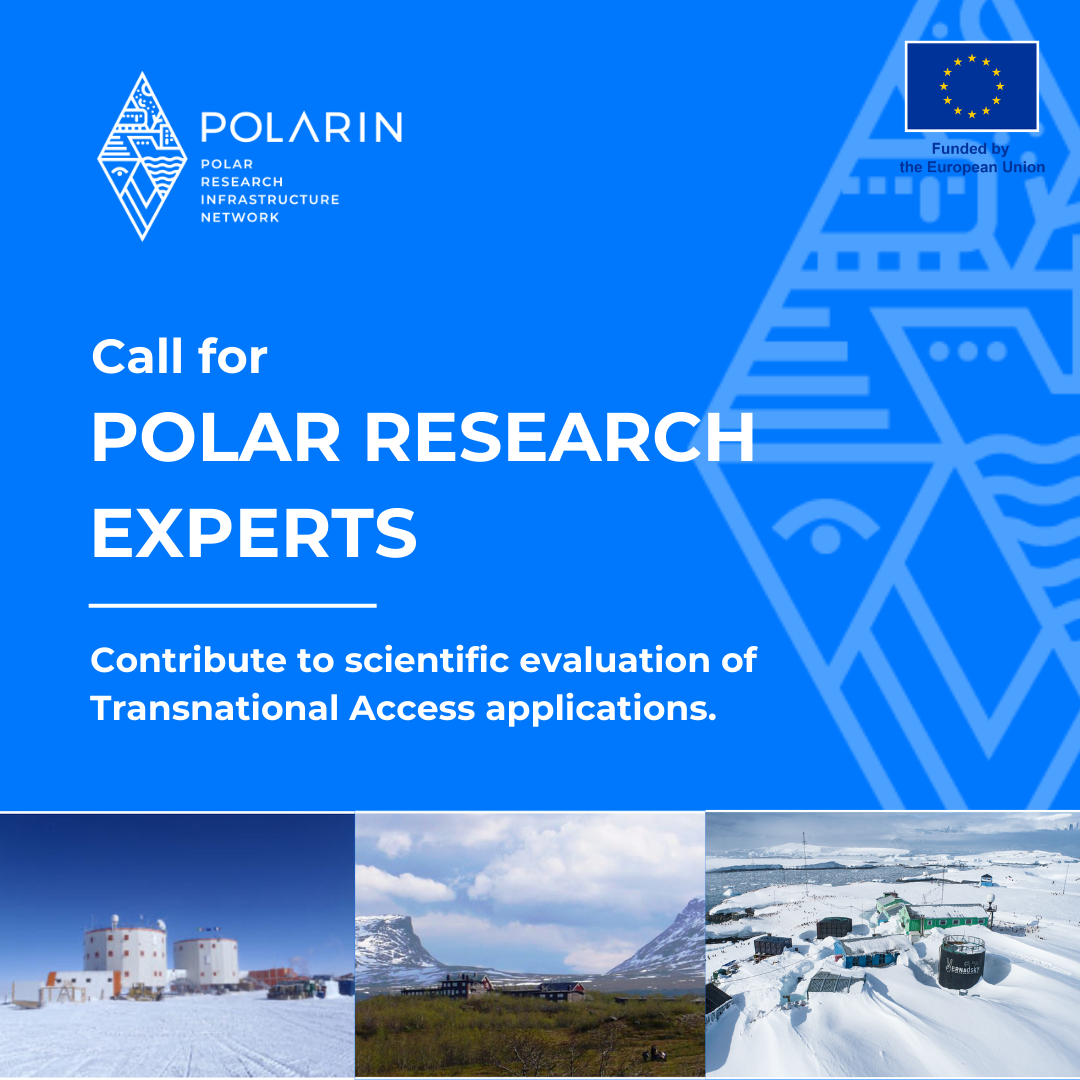
Join the POLARIN Expert Pool – Support the Evaluation of the 2nd Call for Proposals
|
|
|
|
Join the POLARIN Expert Pool!
|
Would you like to join the POLARIN Expert Pool and participate in the review process of proposals submitted to the POLARIN Transnational Access calls?
|
|
The EU funded project POLARIN – Polar Research Infrastructure Network - is seeking experts from various fields of polar research, from natural sciences to human dimension, to join an international pool ...
|
|
|
|
|
|
|
|
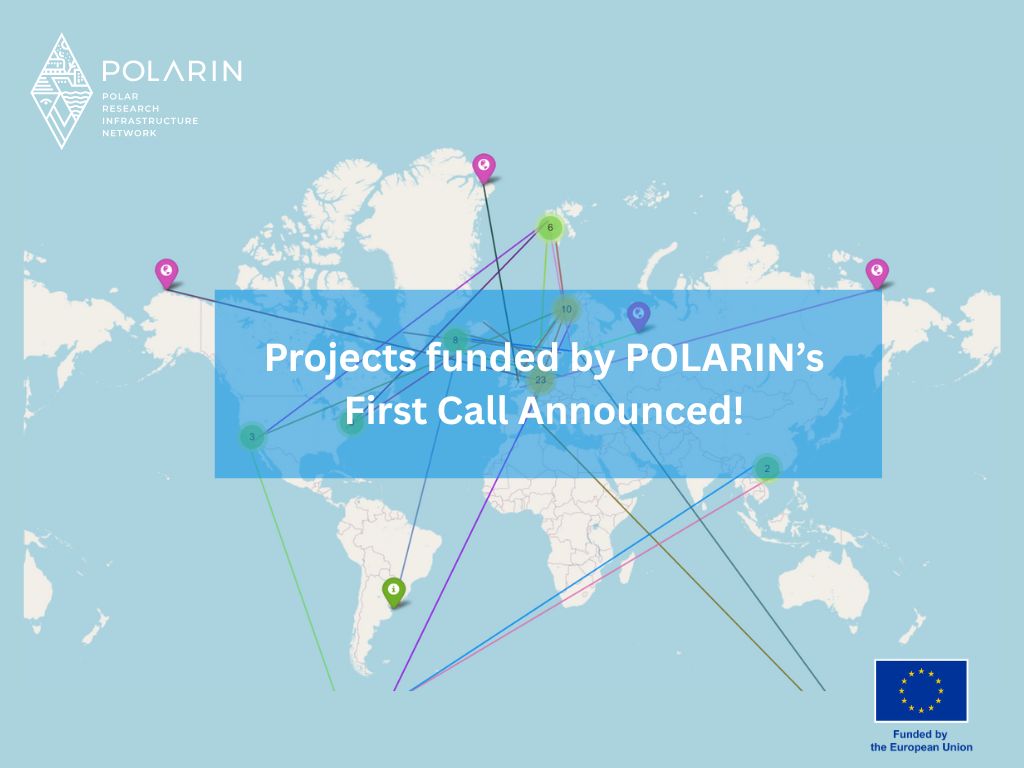
Projects Funded by POLARIN's First Call (2024) Announced!
|
|
|
|
We are thrilled to share the results of POLARIN’s very first Transnational Access Call, which ran from October to November 2024. We kindly invite you to explore the full list of funded projects, along with detailed information about their research goals, participating infrastructures, etc. on our website.
|
|
|
|
|
|
|
|
POLARIN's 2nd Transnational Access Call Opens on September 1st 2025
|
|
|
|
Are you a scientist ready to push the boundaries of polar research? We are excited to announce the launch of the 2nd POLARIN Transnational Access (TA) Call for Proposals, opening on September 1st, 2025!
|
|
|
|
|
|
|
|
POLARIN at the One Ocean Science Congress & the UN Ocean Conference
|
|
|
|
|
|
|
Honoring Our Planet and Polar Regions
|
Over the past few weeks, we’ve marked several globally significant days that resonate deeply with the polar research community and serve as powerful reminders to support science, conservation, and climate action.
|
June 5 – World Environment Day
This day is a global call to protect our natural world. The polar regions, though remote, are deeply impacted by human activities. Melting glaciers, shifting ecosystems, and vulnerable wildlife are stark reminders of the urgent need for climate action.
|
June 8 – World Ocean Day
The oceans regulate global climate and weather systems and are a source of countless resources. From krill to whales, the icy marine ecosystems support incredible biodiversity. On this day, we celebrate their richness and recommit to protecting them from warming, acidification, and overfishing.
|
June 21 – World Arctic Day & Southern Hemisphere Winter Solstice
This dual-observance marks a turning point: the longest night in the south and a moment to spotlight the Arctic’s importance.
|
- World Arctic Day highlights the Arctic’s fragile ecosystems, the cultural heritage of Indigenous communities, and the critical role this region plays in regulating the planet’s climate.
- The Winter Solstice in the Southern Hemisphere marks the official start of winter. In parts of Antarctica and the sub-Antarctic, the sun doesn't rise, ushering in the deep polar night. Wildlife, scientists, and local communities alike adapt to the extreme conditions, reminding us of nature’s resilience.
July 15 – Arctic Sea Ice Day
This day shines a light on one of the most visible indicators of climate change: shrinking Arctic sea ice. As the ice disappears, it affects global weather patterns, threatens Arctic species, and accelerates warming. It’s a day to advocate for science, policy, and action to protect this vital part of Earth’s system.
|
|
At POLARIN, we recognise the importance of protecting our planet’s most vulnerable and dynamic environments - the polar regions. By providing integrated access to polar research infrastructures, POLARIN aims to address the scientific challenges of the polar regions and hence play a role in advancing understanding of complex polar processes.
|
|
|
|
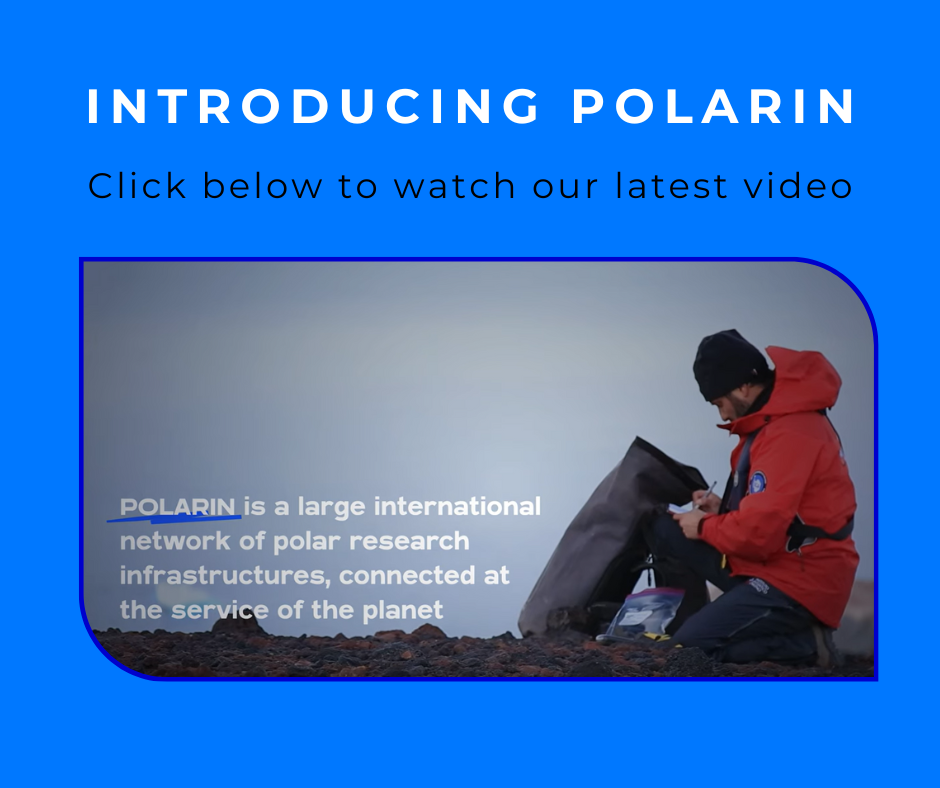
Have you checked out our video yet?
|
|
|
|
|
|
ABOUT
|
POLARIN is an international network of polar research infrastructures and their services, aiming at addressing the scientific challenges of the polar regions. The network includes a wide array of complementary and interdisciplinary top level research infrastructures: Arctic and Antarctic research stations, research vessels and icebreakers operating at both poles, observatories, data infrastructures and ice and sediment core repositories. POLARIN will …
|
|

|
|
|
|
|
|
|
|